
Editorials
Essays on music, memory, history and the worlds between them.
Explore the editorials
Original writing from The Outer Margins.
 Philippine anting-anting. Photo: Lucidoadrian / Wikimedia Commons; confirm exact CC BY-SA version.
Objects of Protection
Amulets, Talismans, and the Things We Trust to Keep Us Safe
By Gabriel Lee
Read article →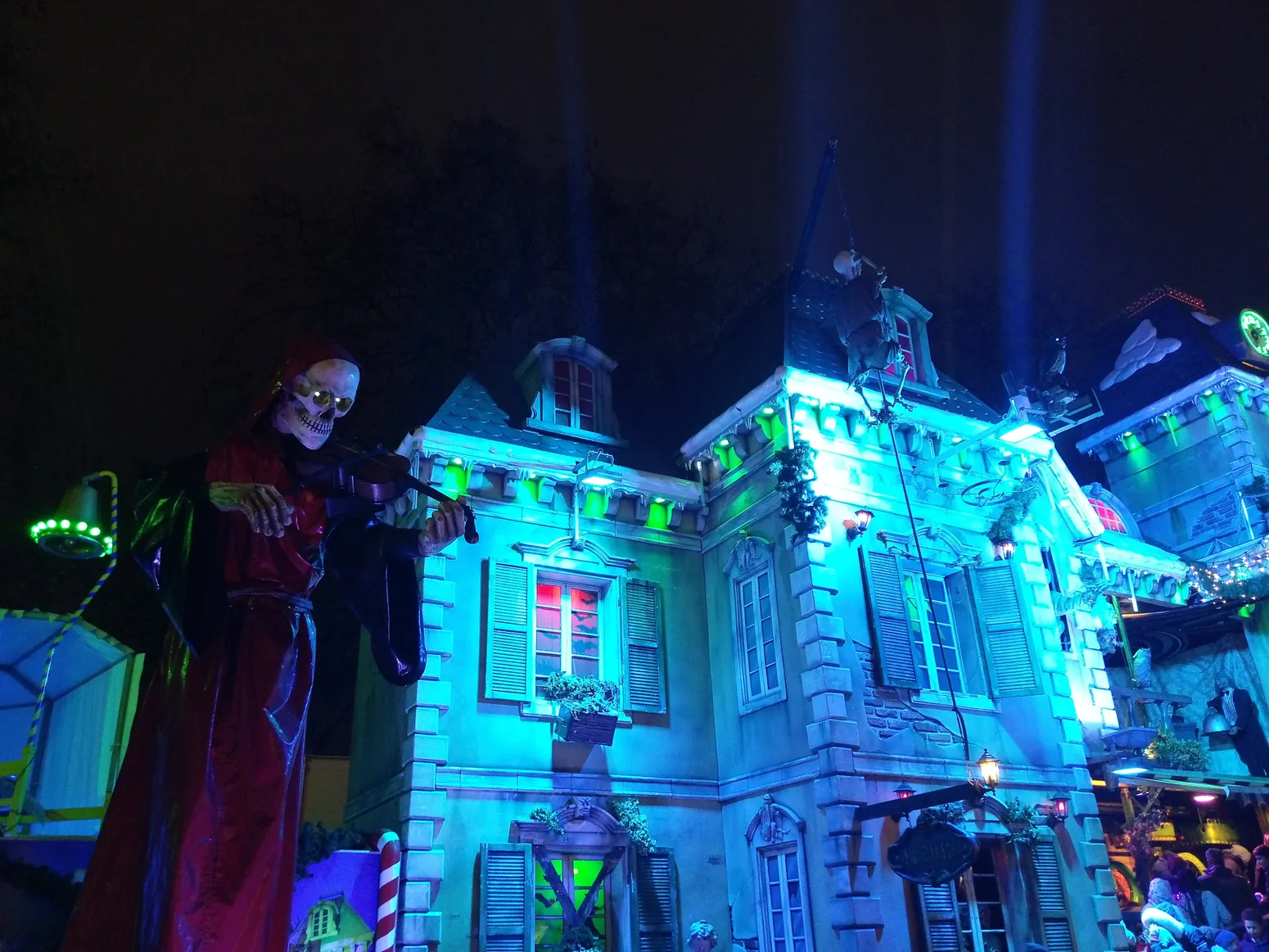 Haunted-house attraction at Hyde Park Winter Wonderland, 2017. Photo: Simeon87 / Wikimedia Commons, CC BY-SA 4.0.
Why We Like Being Frightened
The Science of Horror, Fear, and the Pleasure of Being Scared
By delMar
Read article →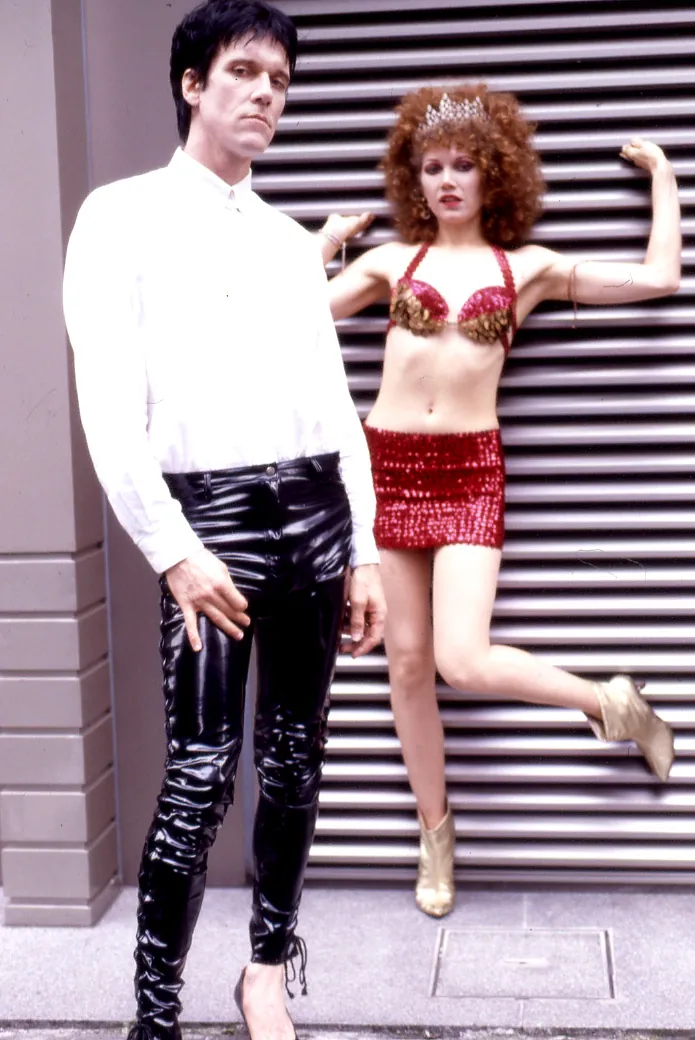 The Cramps performing. Photo: Masao Nakagami / Wikimedia Commons, CC BY-SA 2.0.
Rockabilly from the Crypt
Psychobilly, Horror Punk, and the Music of Monsters
By Mara C.
Read article →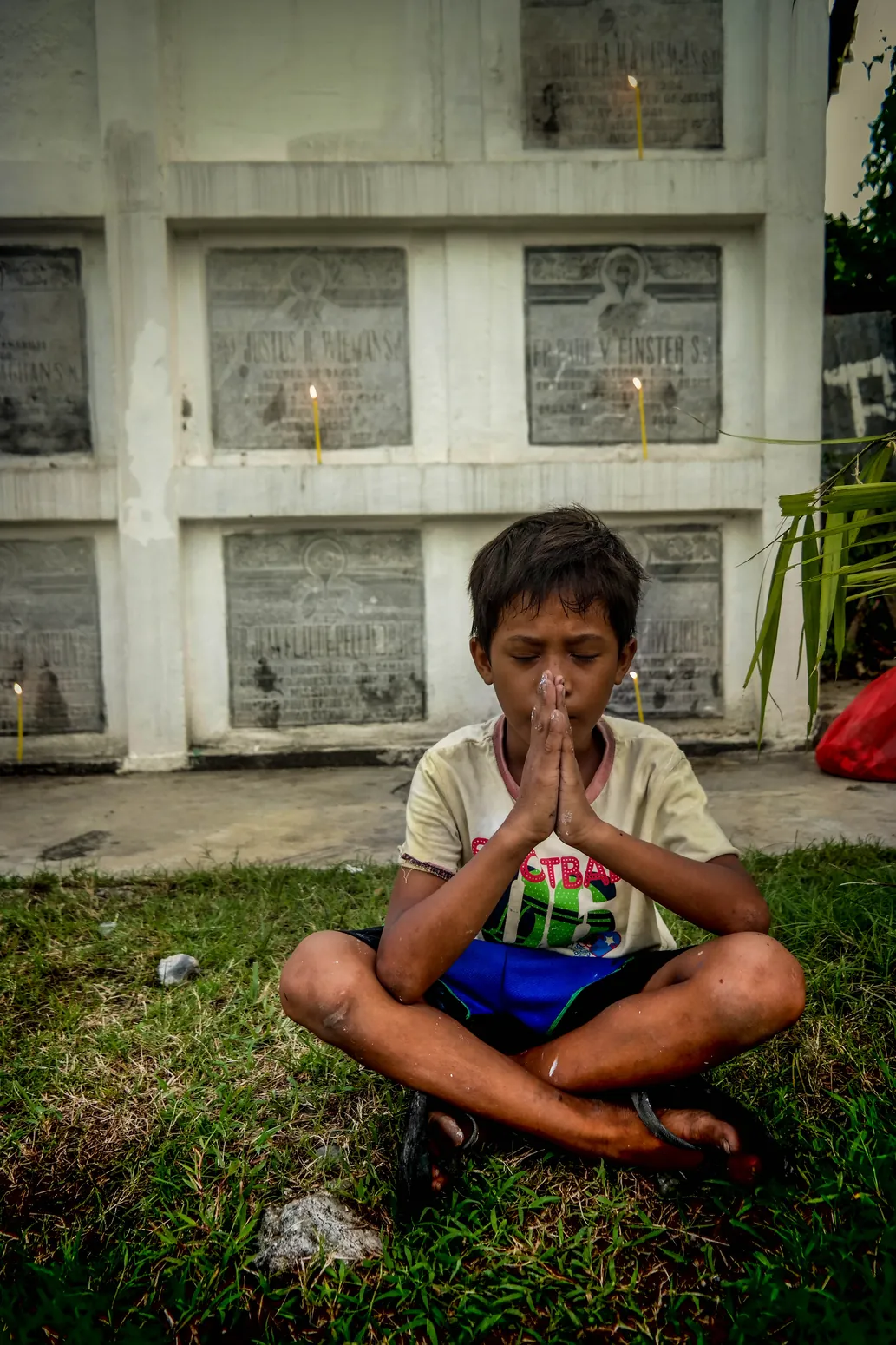 An All Souls’ Day observance in the Philippines. Photo: Jeffrey Pioquinto, SJ; Wikimedia Commons (licence confirmation pending).
The Dead Come Visiting
Halloween and the Many Ways We Remember the Departed
By Gabriel Lee
Read article →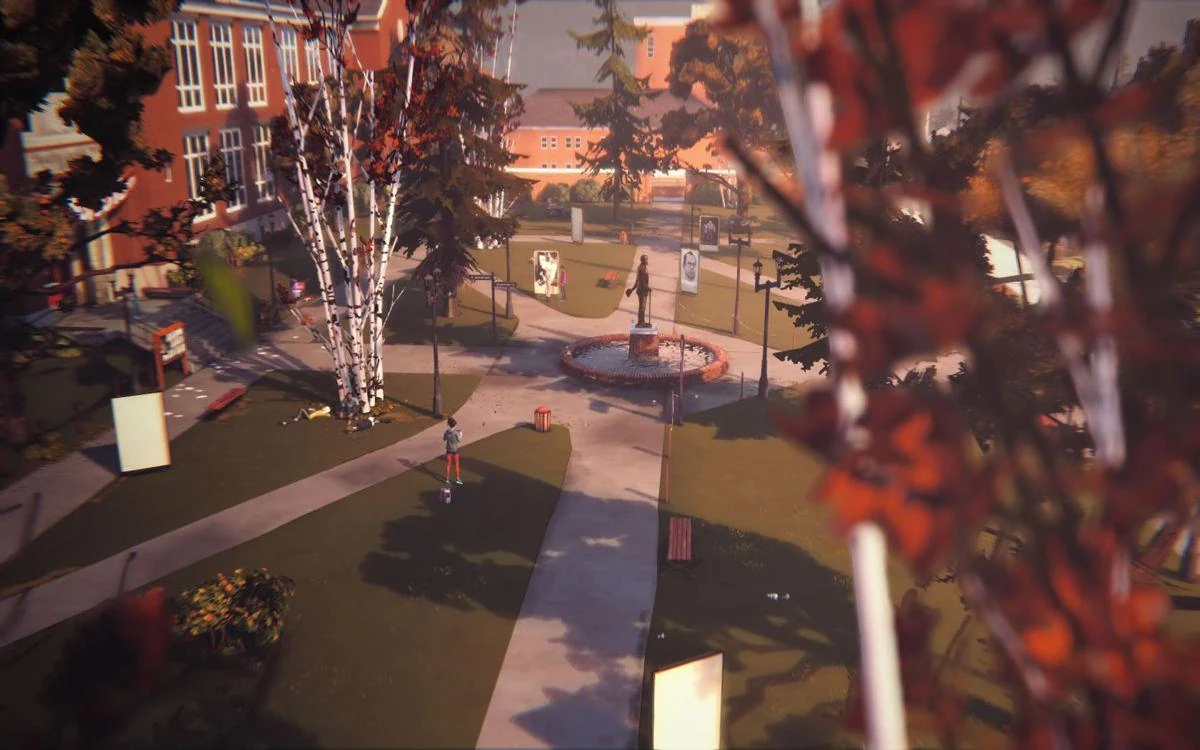 Life Is Strange (2015) · game screenshot
Places We Have Never Been
A fictional town can become as familiar as somewhere we have lived, especially when its music accompanies the memories we make there. Through Life Is Strange and the sound of Arcadia Bay, this essay explores why imagined places linger, and why we sometimes miss the person we were when we first encountered them.
By Mara C.
Read article → AI-generated illustration
Déjà Vu and the Problem of Familiarity
Déjà vu is the unsettling conviction that the present has happened before, even when we cannot retrieve an earlier experience. This essay examines what research on memory and familiarity can—and cannot—tell us about that sensation, and why it can resemble nostalgia without a remembered past.
By delMar
Read article →
The Past We Never Lived
From historical reenactments and medieval construction projects to recreated streets and immersive settings, we repeatedly enter versions of worlds we never inhabited. The essay considers what makes these reconstructions persuasive, where they differ from history, and why the experience of visiting another time can feel surprisingly personal.
By Gabriel Lee
Read article →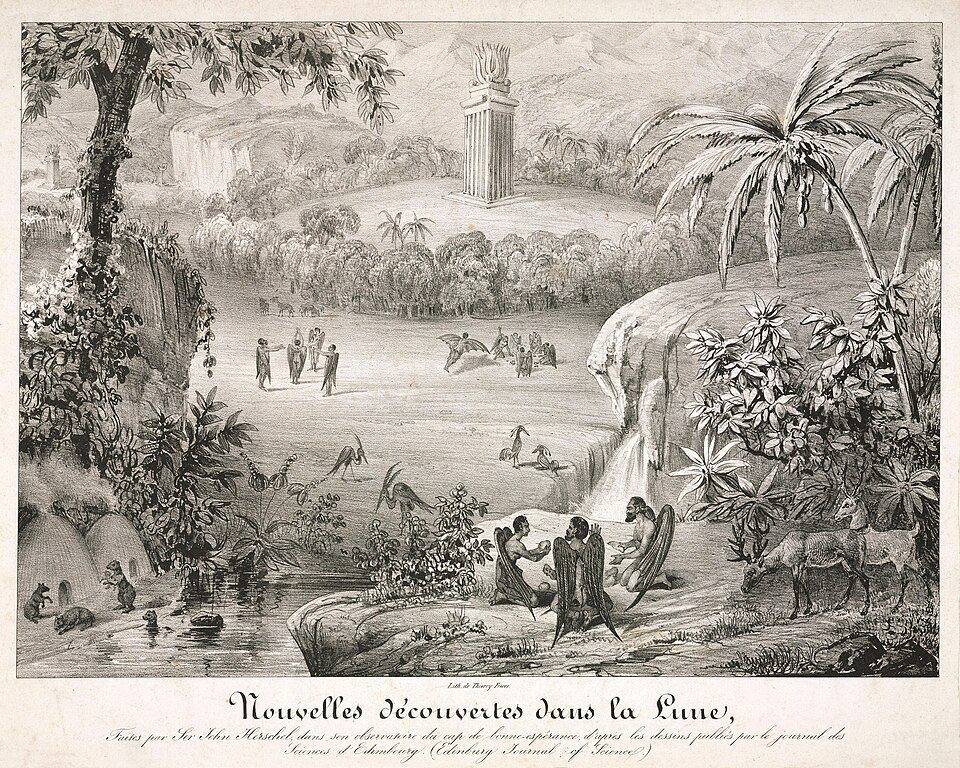
The Great Moon Hoax of 1835
In 1835, a series of newspaper reports claimed that astronomers had discovered extraordinary life on the Moon. The story reveals how scientific authority, spectacular imagery and the mechanics of the press could combine to make an invented world seem plausible—and why its reception was more complicated than simple credulity.
By Gabriel Lee
Read article →