
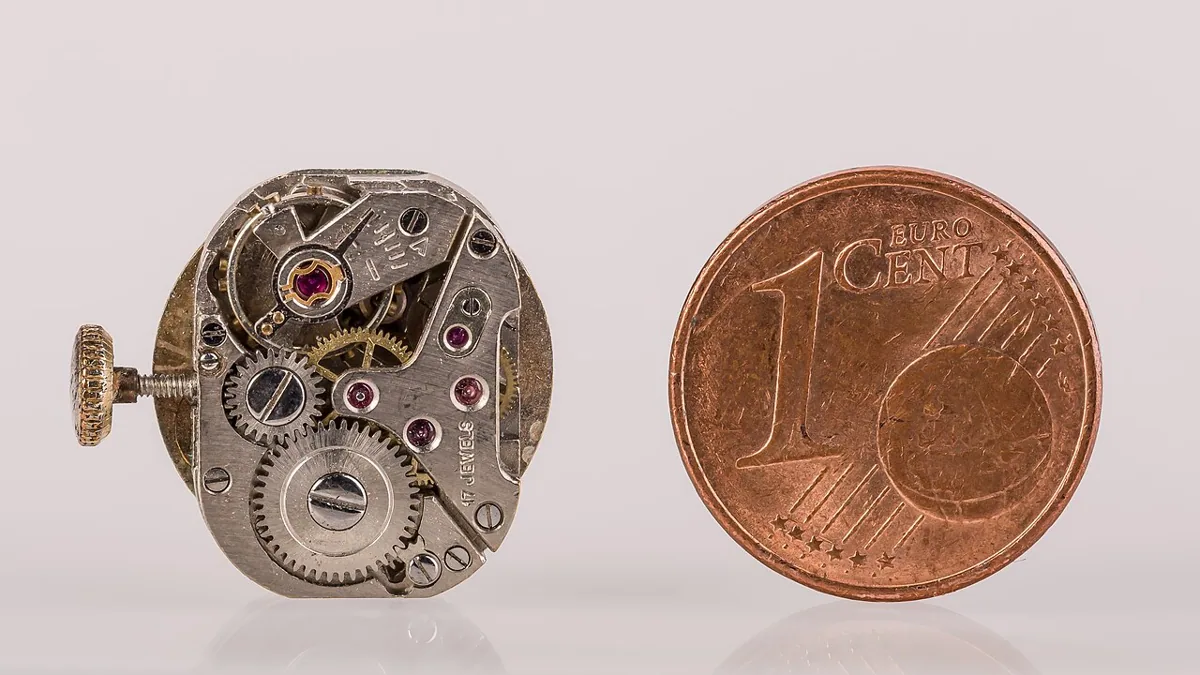
 Photo / image: CEphoto, Uwe Aranas · CC BY-SA 3.0 · source in Image Credits
The Clocks Inside Us
Sleep and circadian rhythms shape much more than bedtime. How do light, shift work and social schedules collide with biological time?
From cutting-edge discoveries and emerging scientific fields to the extraordinary complexity of living systems, Science at the Margins explores research that challenges assumptions, opens new possibilities, and changes how we understand the world. We follow developments in biology, medicine, ecology, physics and artificial intelligence, alongside unconventional hypotheses and scientific controversies. Curiosity leads us to the questions. Evidence guides the answers.
Peer-reviewed studies, preprints, working papers and archival documents are identified for what they are. A fascinating question is not automatically a settled finding.
Some images on this page are illustrative placeholders used while entries are still being expanded. They are topical aids, not documentary proof, and any provisional status is indicated in the accompanying text.
From circadian rhythms to the surprisingly uneven ways people age, respond to food, and develop disease.
Photo / image: CEphoto, Uwe Aranas · CC BY-SA 3.0 · source in Image CreditsSleep and circadian rhythms shape much more than bedtime. How do light, shift work and social schedules collide with biological time?

The science of extreme age—and why inherited variation, life histories and environment make longevity much more complicated than a single gene.
 Image credit
A shared pathogen does not always mean a shared outcome. Genetic variation, immune responses and exposure histories all matter.

Appetite, biology, the food environment and metabolism meet in ways that make universal advice less universal than it sounds.

What early movement and behavioural variation can—and cannot—tell researchers about genetic influences, without reducing children to their genes.
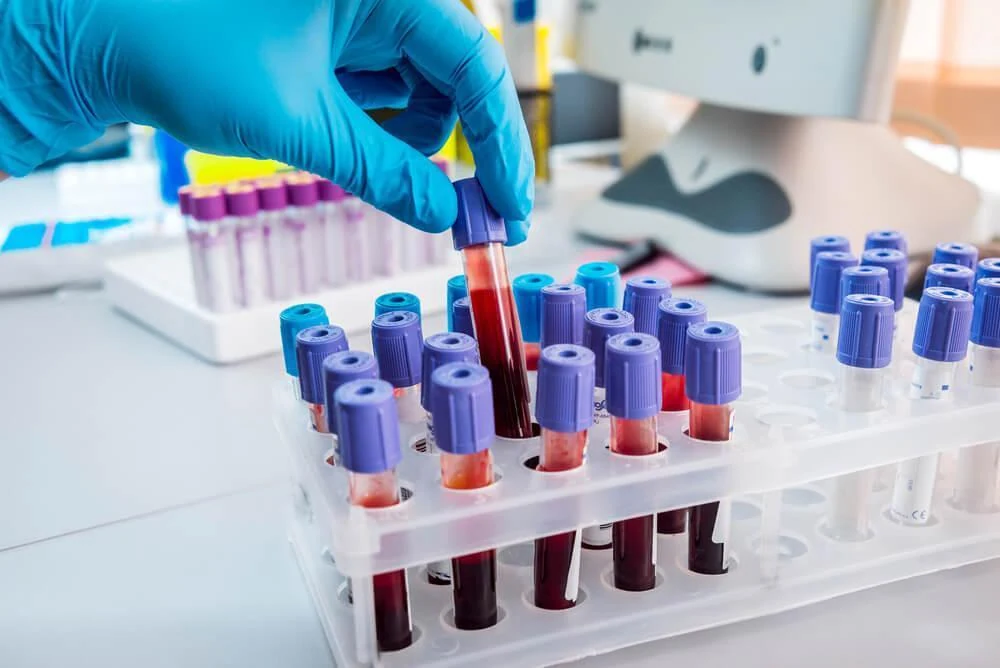 Image credit
Measurable residual disease (MRD) assays may detect traces of cancer after therapy and help researchers study treatment response earlier. The reliability and use of MRD endpoints vary by disease and assay.
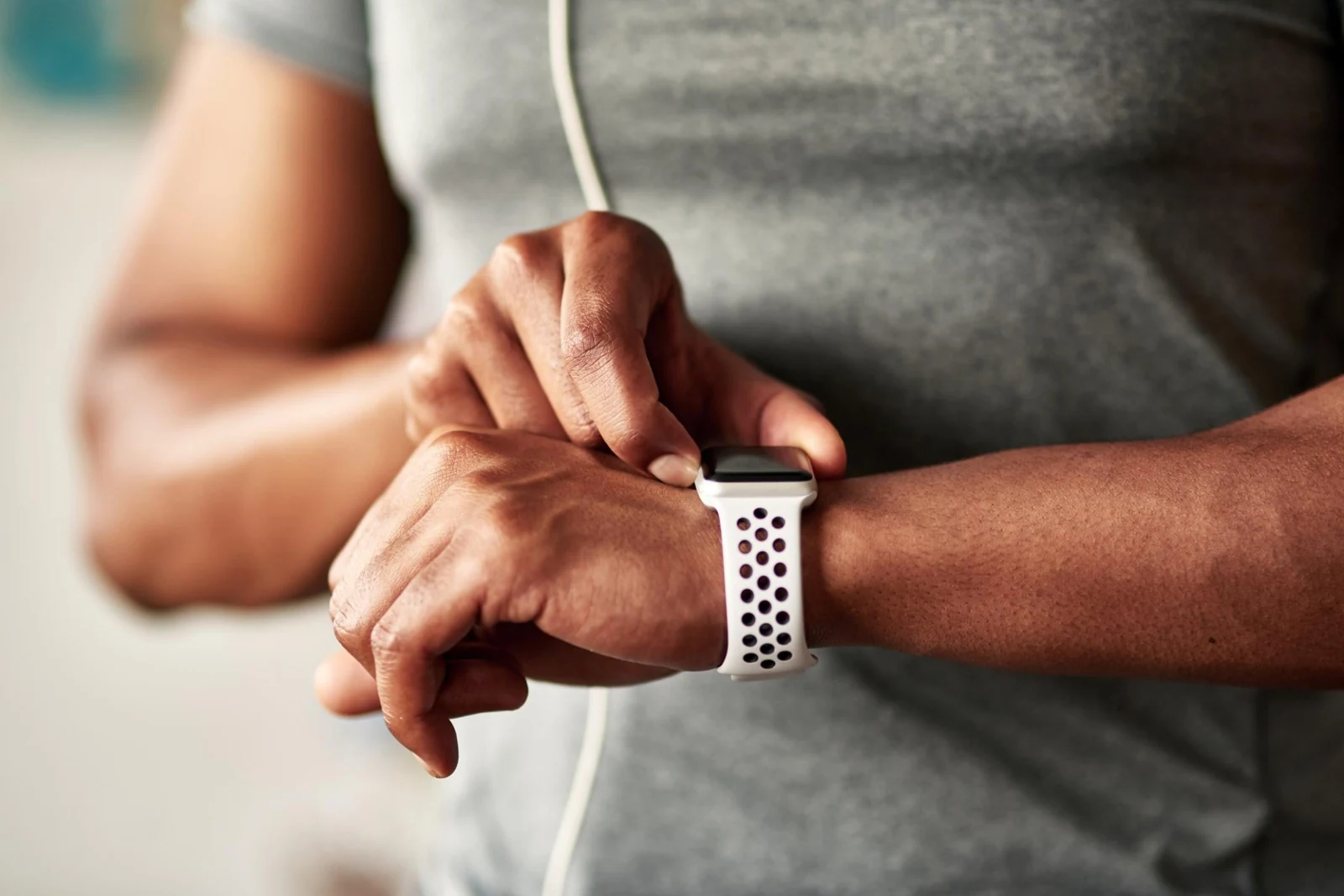 Image credit
What happens when engineered living cells are combined with miniaturized electronics to monitor biological activity from inside the body?
Work on cellular collectives, artificial life, and biological behaviours that resist conventional categories.
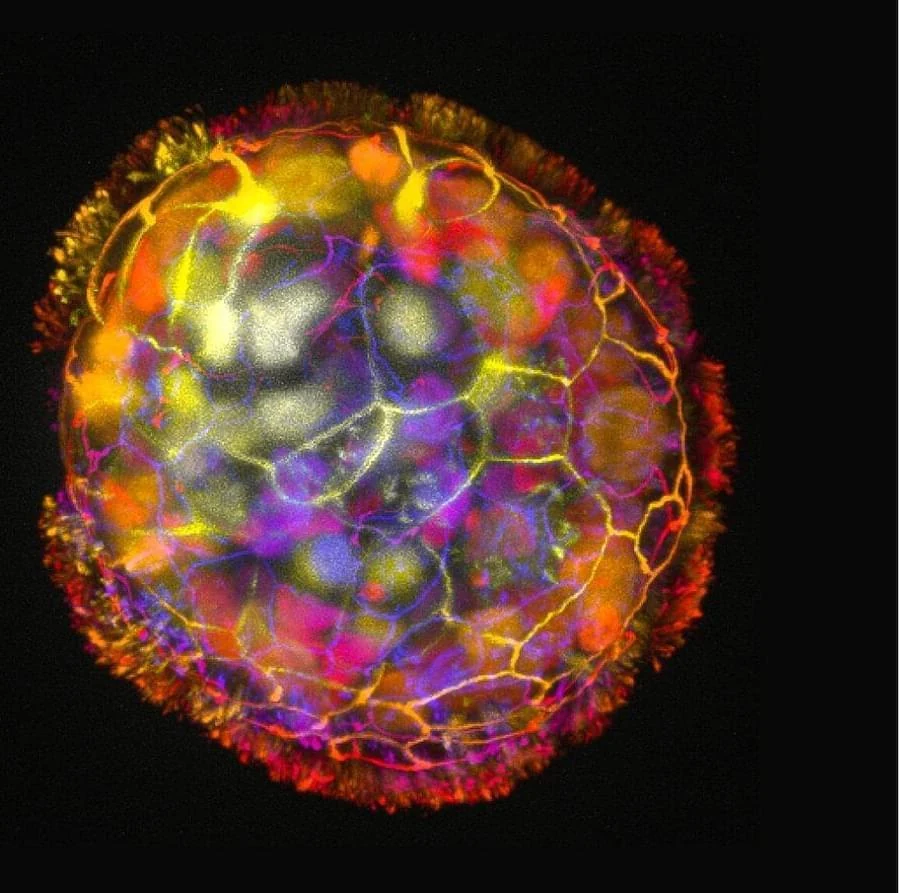 Image credit
Researchers assembled motile multicellular structures from human airway cells and studied their behaviour in a laboratory setting. They are not a clinical therapy.
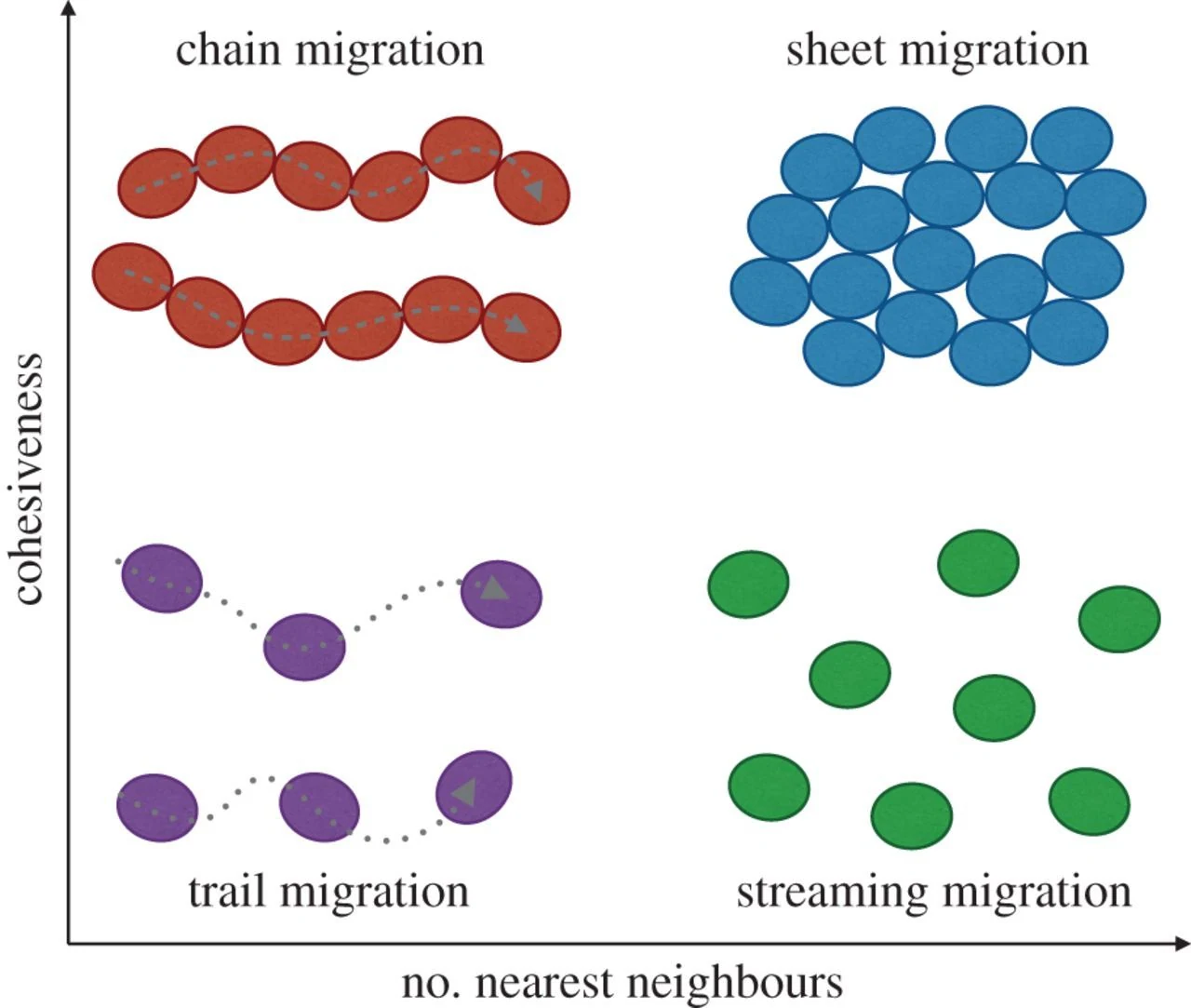 Image credit
A research perspective on coordinated problem-solving in cell and tissue collectives, and how far the language of intelligence can usefully extend.
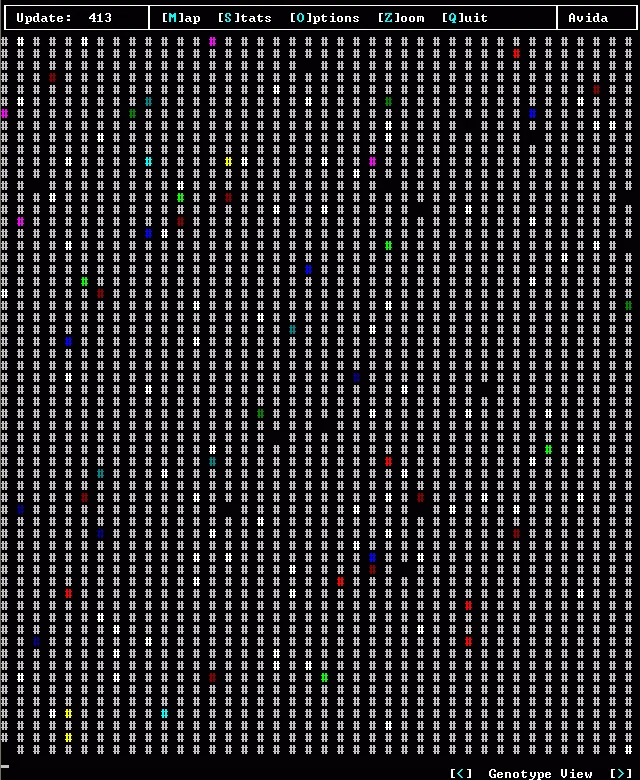 Image credit
Foundation models are being used to explore simulated worlds and search for unexpected self-organizing patterns. Digital life is not necessarily biological life.

Electrical spikes are measurable in fungi. Their biological roles are worth investigating; the recordings do not demonstrate a human-like fungal language.
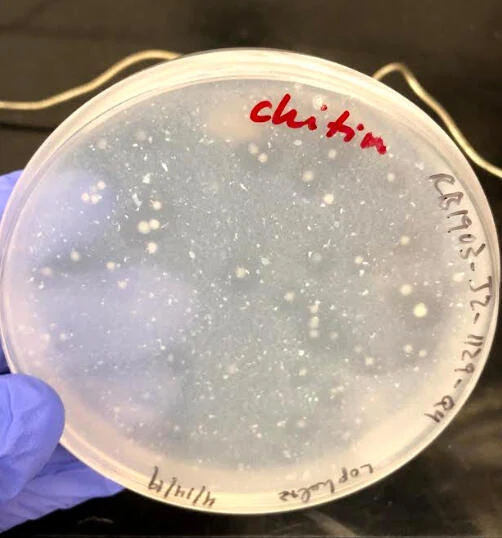 Image credit
Some microbial systems may show alternative stable community states, complicating simple stories of disturbance and recovery.
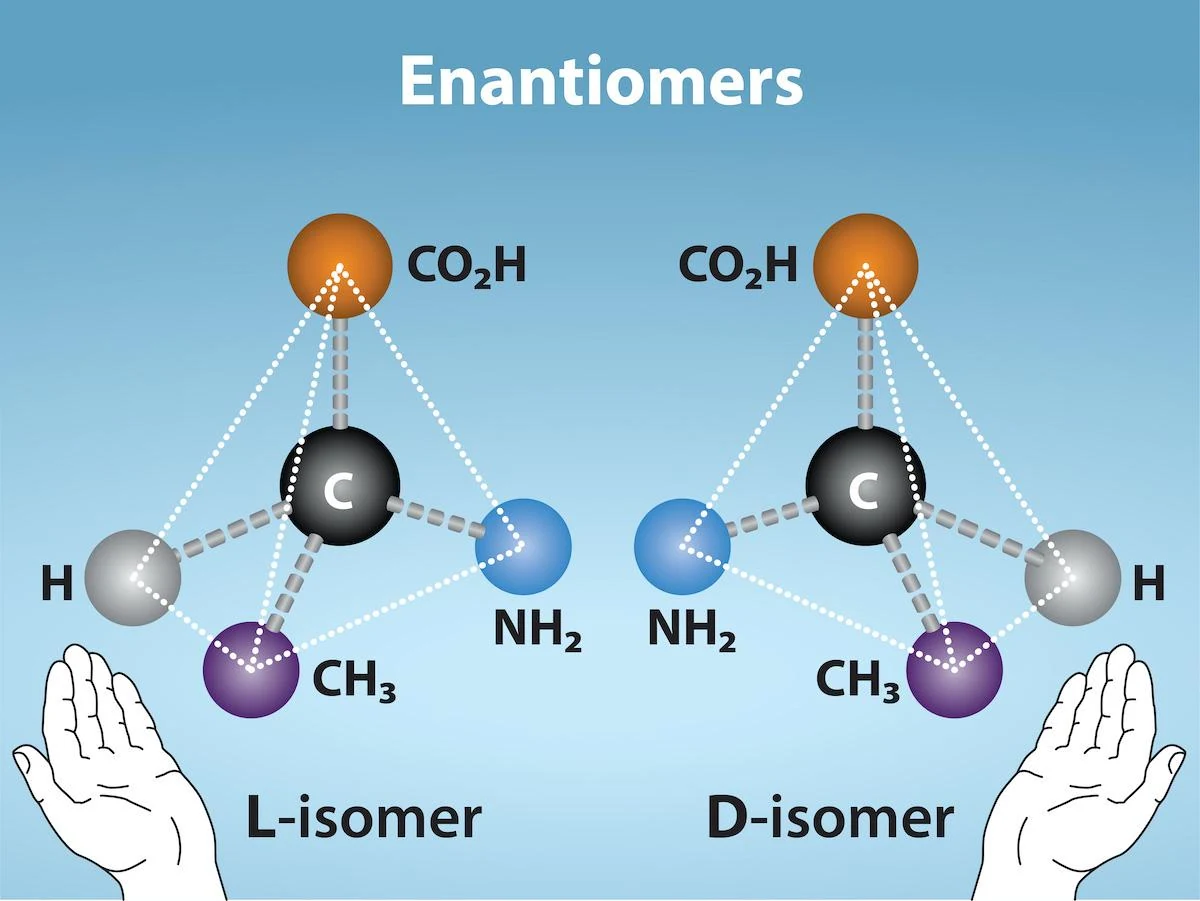 Image credit
Mirror-image biomolecules raise challenging questions about the possibility, limits and risks of building living systems with opposite molecular chirality. Fully functioning mirror bacteria have not been demonstrated.
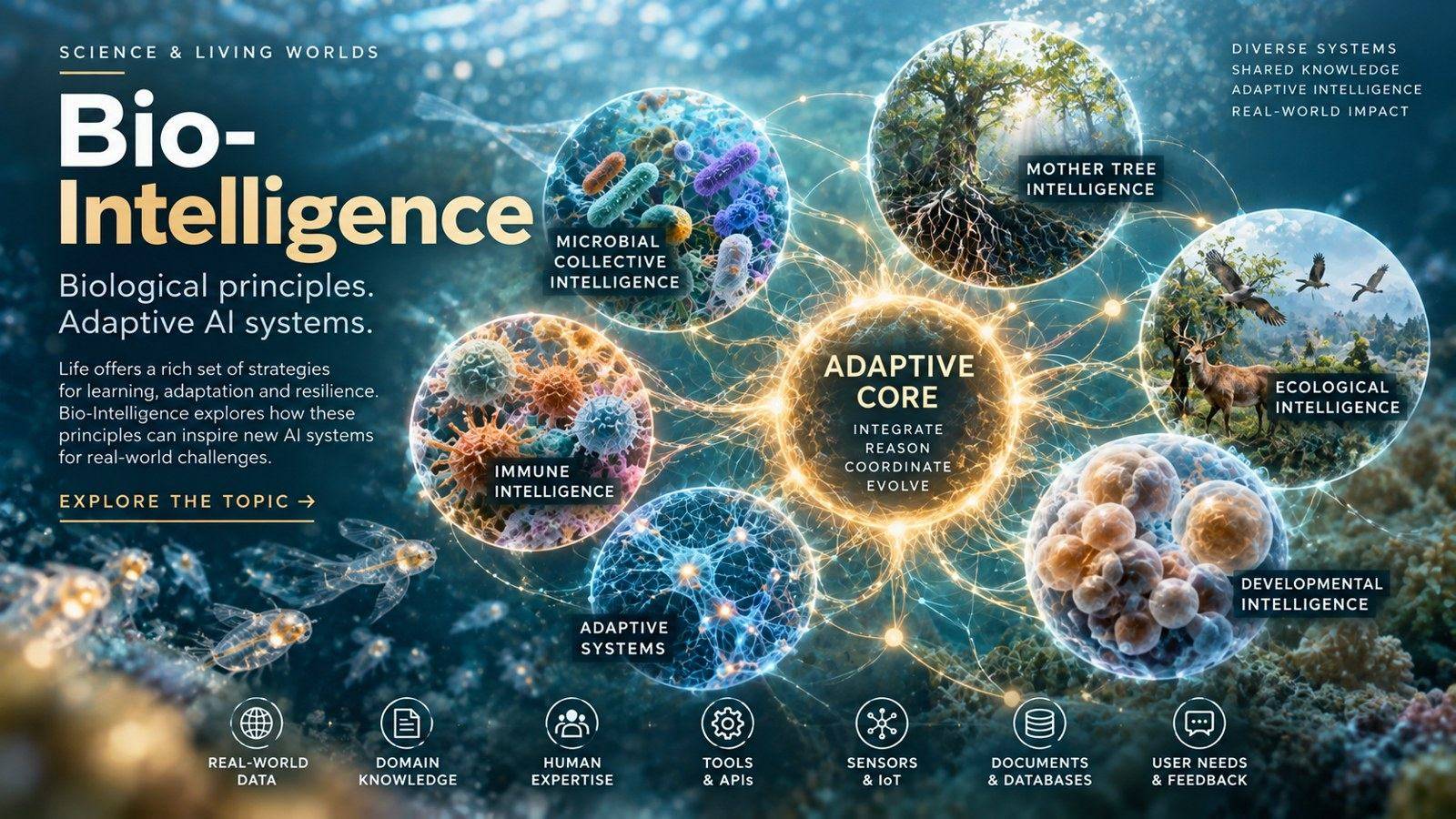
Can principles from living systems suggest new ways of building resilient artificial intelligence? This original ACCENTECX AI research programme explores ecological enablement, collective microbial intelligence and the value of retaining alternative operational strategies. The frameworks remain proposed directions for study, not established biological or quantum-AI implementations.
Strange effects, plausible models and questions that still require careful tests.

Spin dynamics in light-sensitive proteins may contribute to the magnetic compass of migratory birds. Important aspects of the mechanism remain under investigation.

Some researchers use quantum-inspired probability to model order and context effects in judgment. This is not evidence that brains operate as quantum computers.
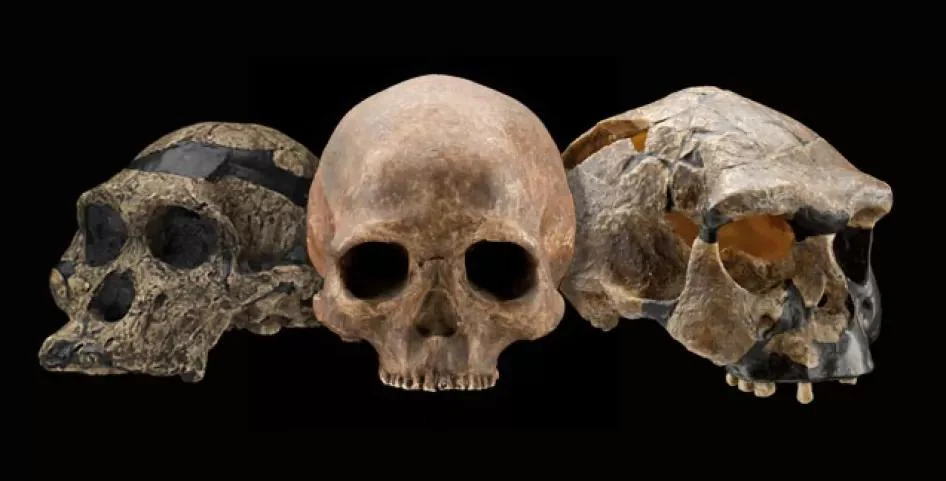 Image credit
Evolution has not stopped. Which forces could shape human populations—and which confident forecasts mistake speculation for prediction?
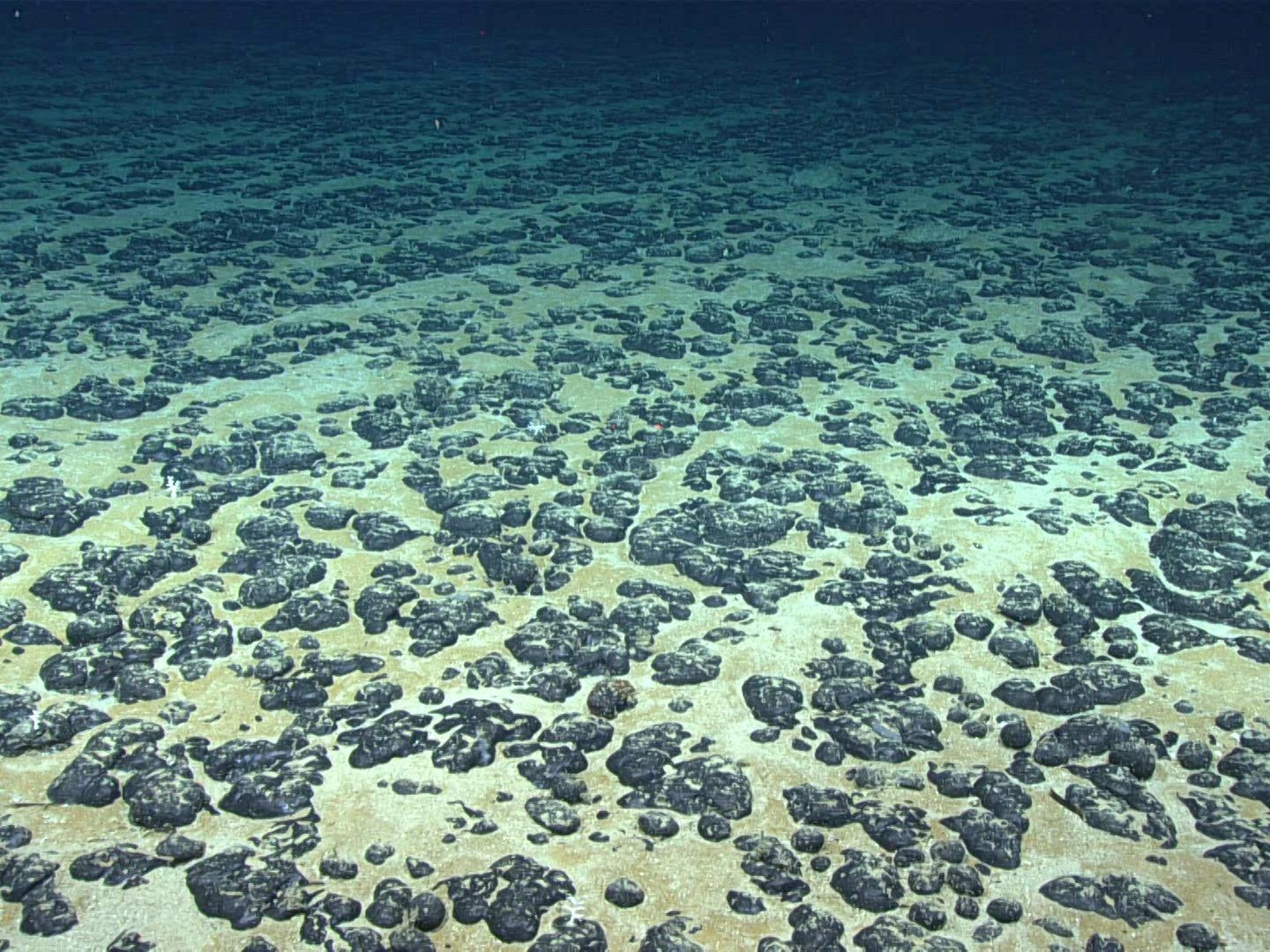 Image credit
An unexpected report of oxygen changes near polymetallic nodules provoked debate over measurements and interpretation. The journal subsequently flagged concerns.

Why can unfamiliar experiences suddenly feel familiar? A neurological mystery with testable cognitive explanations.
Real programmes, controversial experiments and extraordinary claims. The existence of an investigation is not proof of its hypothesis.
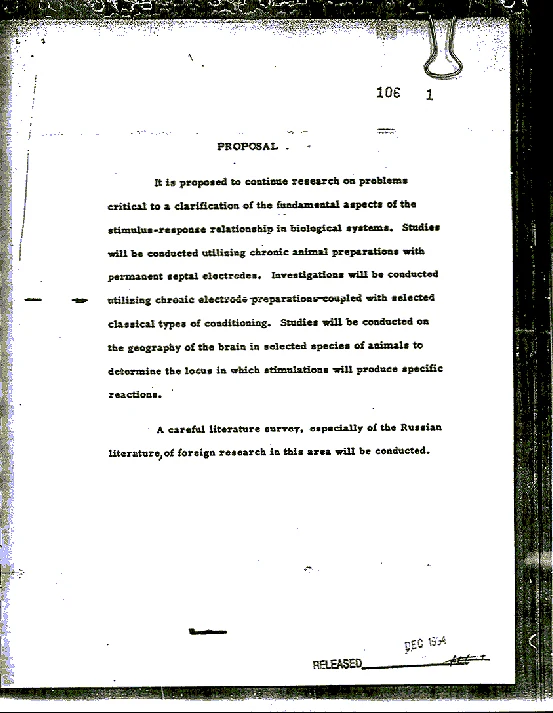 Image credit
A real, secret CIA programme involving drugs, coercion and nonconsensual experimentation. Its history is disturbing without requiring mythical powers of mind control.
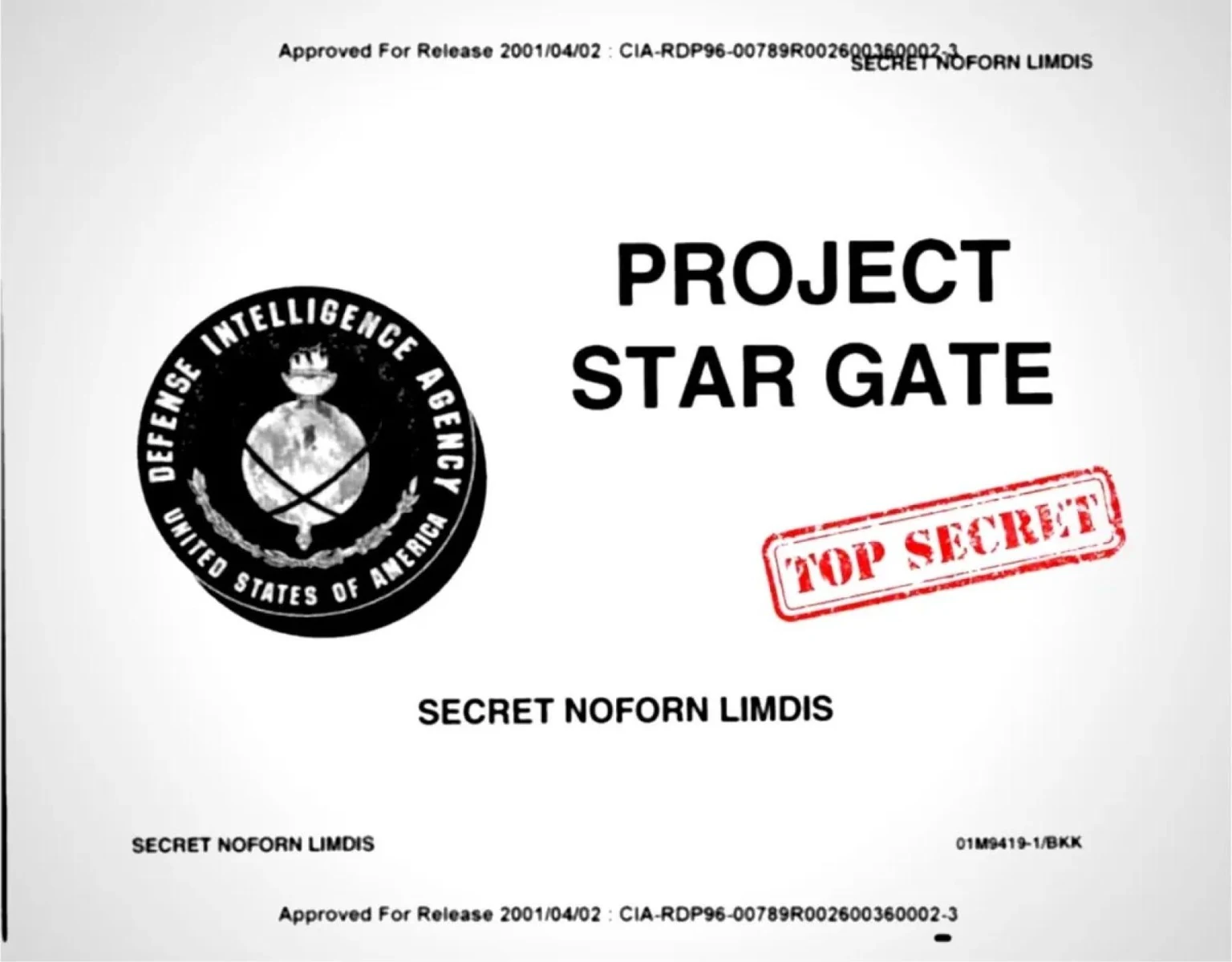 Image credit
US intelligence agencies funded studies of remote viewing. The programme was real; an operationally reliable paranormal capability was not established.

Sensory-reduction protocols became a laboratory approach to purported telepathy. The literature includes disputed results, methodological arguments and contested meta-analyses.
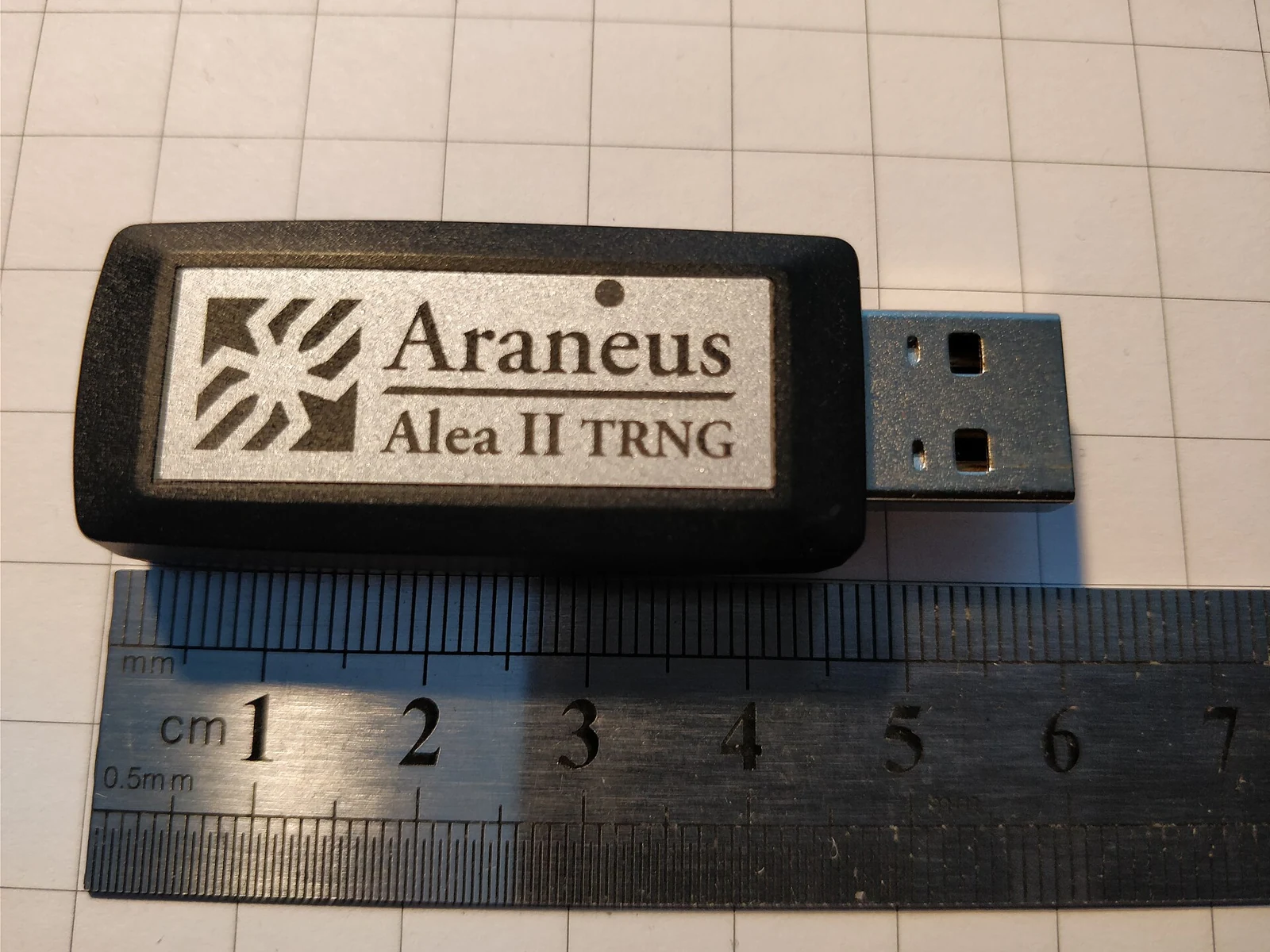 Image credit
The Princeton Engineering Anomalies Research programme tested possible mind–machine correlations. The claimed effects did not become accepted scientific evidence of psychokinesis.
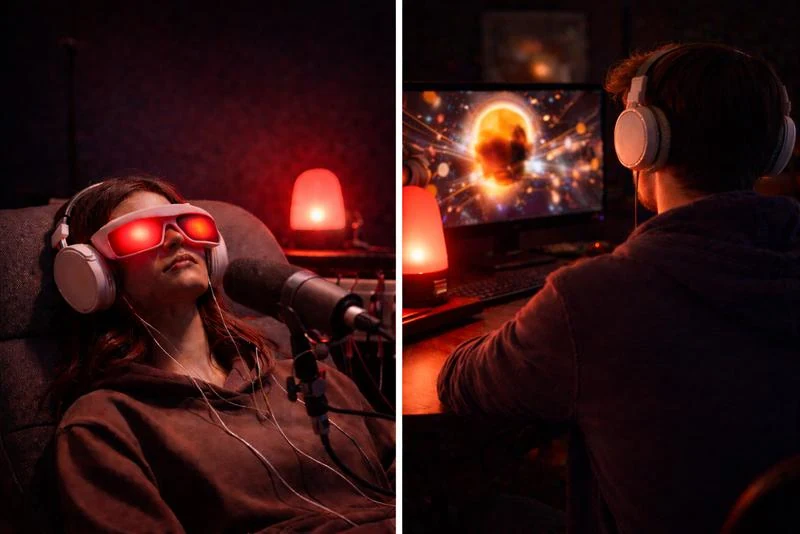 Image credit
A controversial 2011 experiment reported apparent anticipatory effects. Independent replication failures helped make it a well-known scientific-methods case.
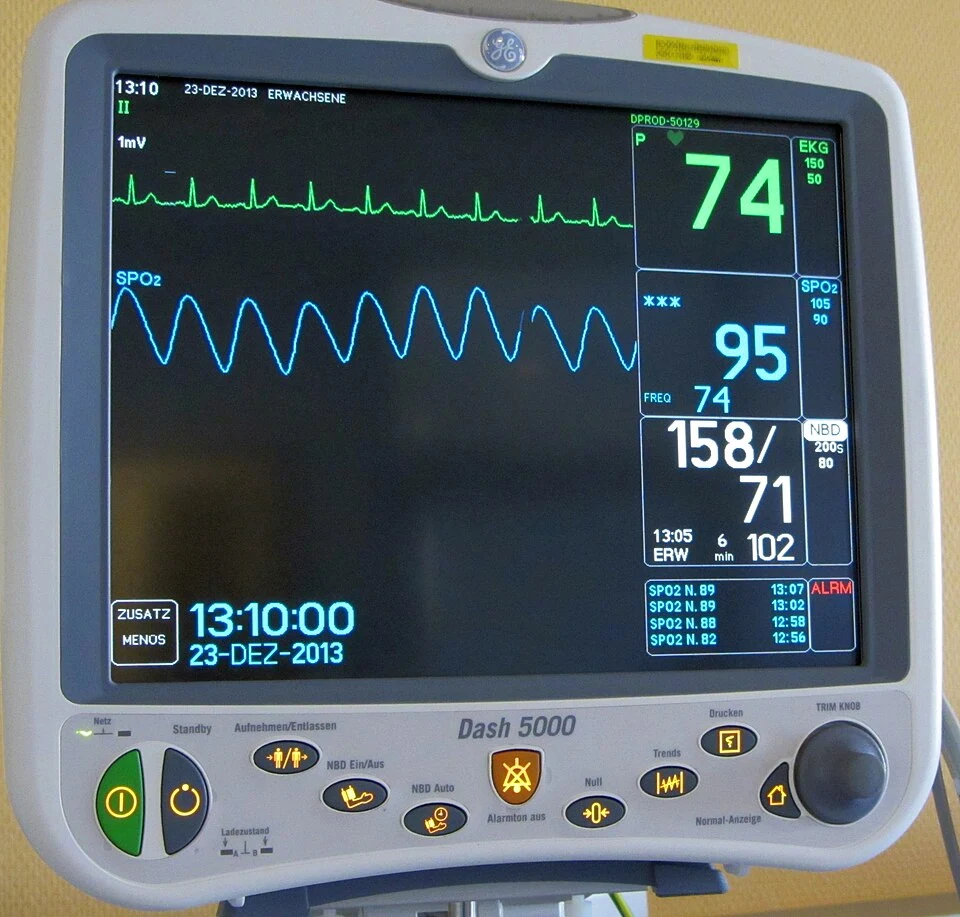 Image credit
The AWARE-II study examined remembered experiences and brain signals during resuscitation. It does not establish consciousness independent of the brain.
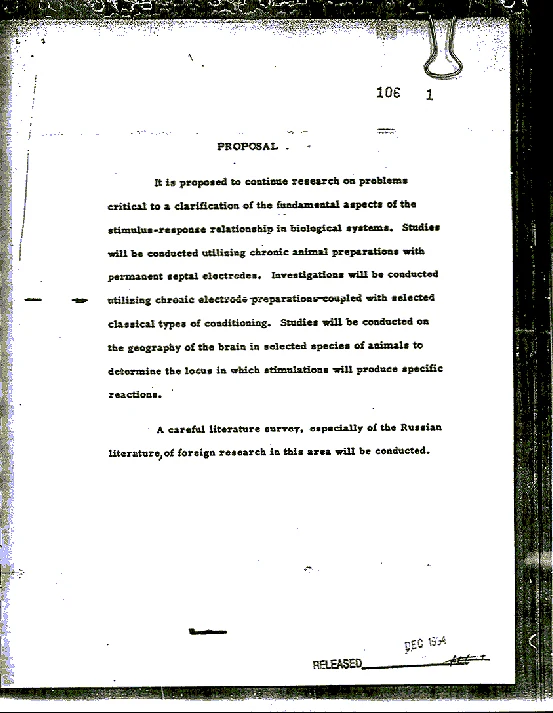 Image credit
Government-held papers explored speculative physical accounts of extrasensory perception. They document inquiry, not verification.
Older collection discoveries remain part of the same living index.

Below-ground connections are real, but popular claims about universal altruism or central forest command often outrun the evidence.

From salt tolerance to nursery habitats, mangroves transform the boundary between land and sea.
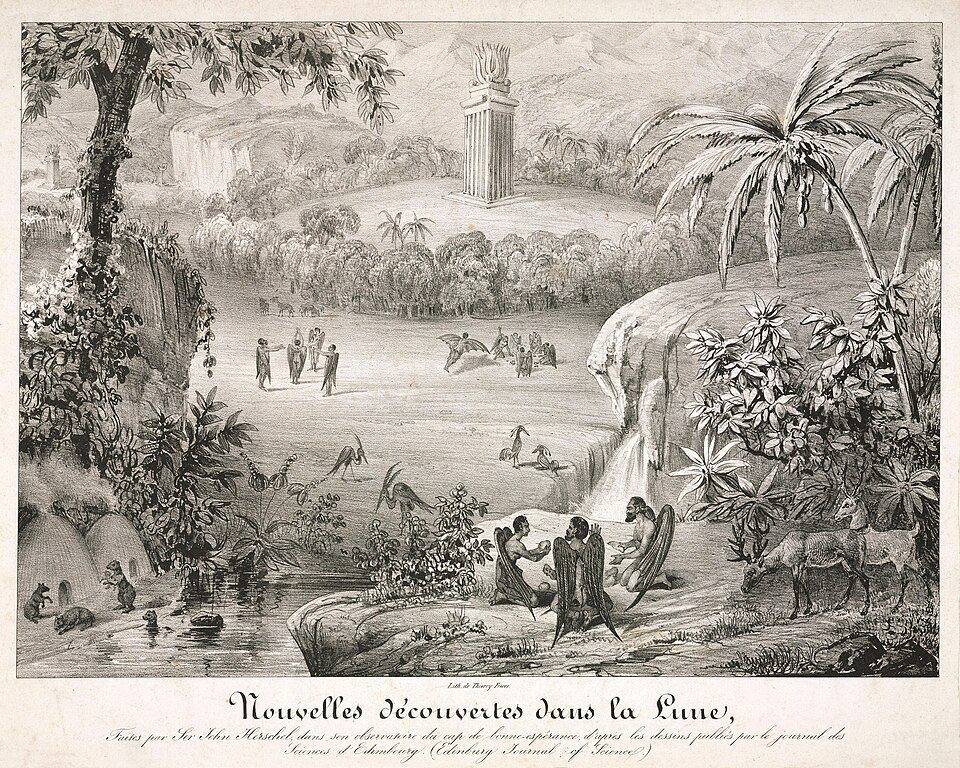
The Great Moon Hoax offers a revealing history of scientific authority, credulity and sensational publication.