
Chronobiology · Human physiology
The Clocks Inside Us
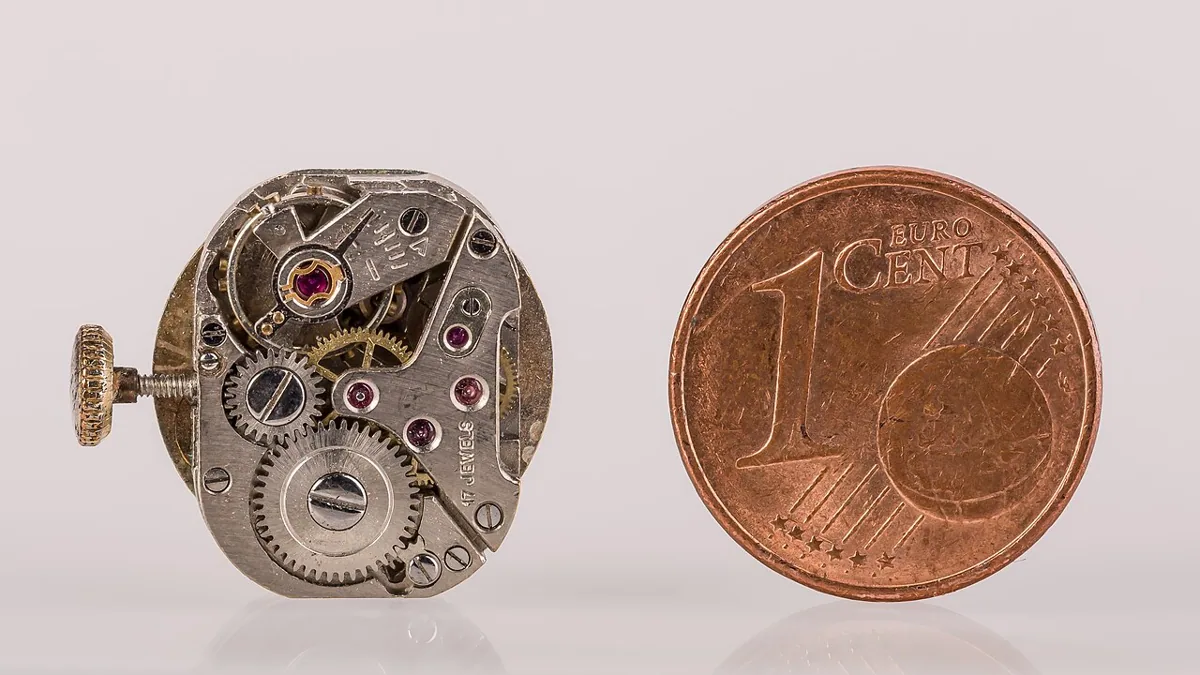
Sleep and circadian rhythms shape much more than bedtime. How do light, shift work and social schedules collide with biological time?
Biological clocks coordinate recurring physiological processes, including sleep, hormone release and daily changes in metabolism. A central pacemaker in the brain interacts with peripheral clocks in many tissues.
Key questions concern how light exposure, meals, shift work and chronotype influence physiology, and which interventions have robust clinical evidence.
AI-assisted preliminary overview · Awaiting editorial review. The linked materials are research leads; some citations remain to be checked against the original works.