
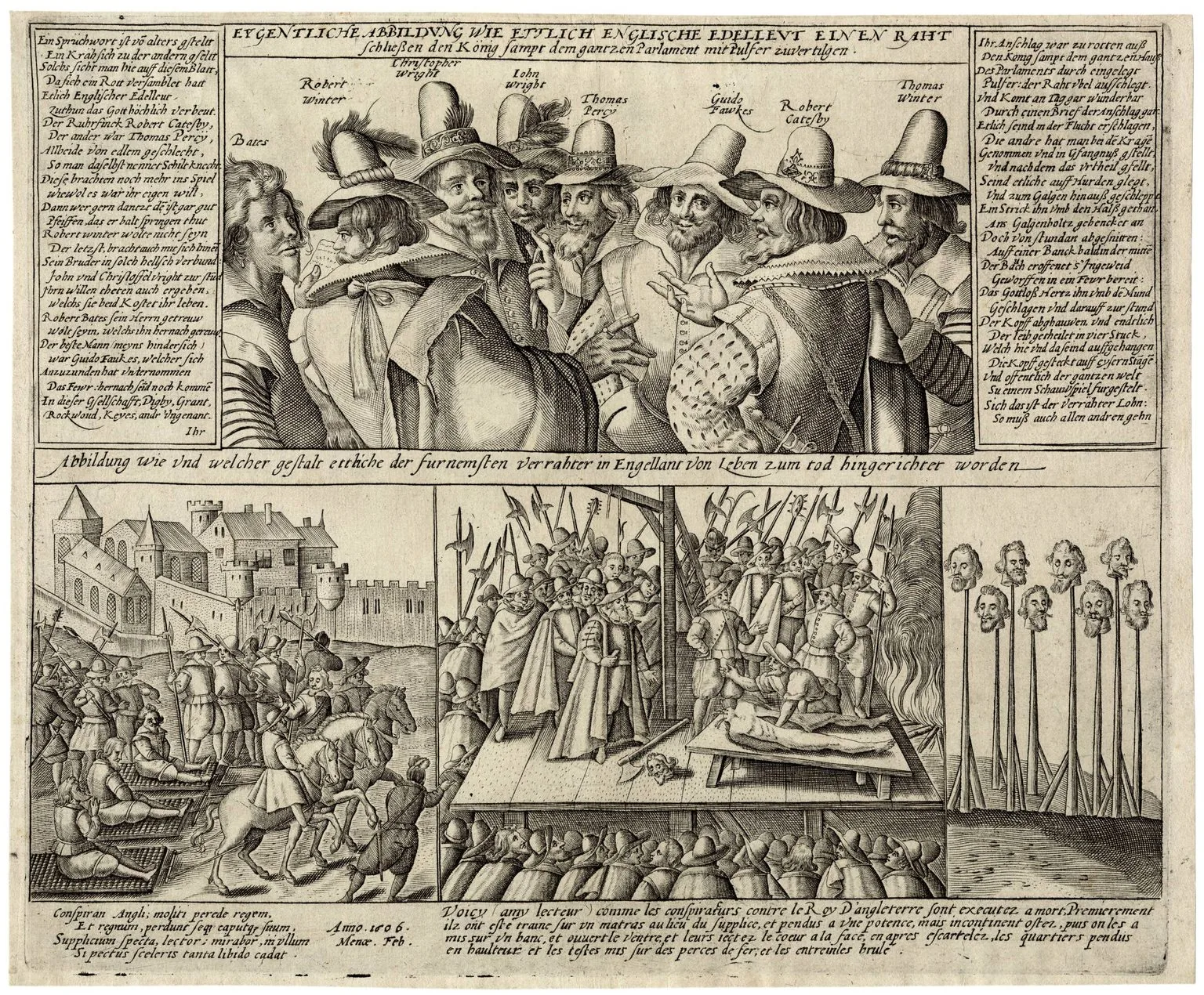
“Remember, remember, the fifth of November.”
For generations of Britons, the opening words of the familiar rhyme have required little explanation. The fifth of November means Guy Fawkes, the Gunpowder Plot, bonfires and fireworks. It recalls a conspiracy to destroy Parliament and kill a king, and a celebration that has survived long after much of its original religious and political meaning faded.
Yet the date has other histories. In the Philippines it commemorates a revolution in Negros Occidental, but also one of the country’s worst disasters in Ormoc. In New Zealand it marks the invasion of a Māori community that resisted colonial land confiscation without violence. In Panama it commemorates the securing of separation from Colombia. Japan helped establish it as an international occasion for thinking about tsunamis, warnings and preparedness.
There is nothing mystical about these coincidences. A year has only so many dates, and history has accumulated a great many events. We could compile an enormous list of things that happened on November 5, but the interesting question is why some of them continue to be remembered. Some became official holidays; others occasions for grief, political argument, or public instruction. What later generations choose to commemorate may reveal almost as much as the original event.
Gunpowder beneath Parliament: England, 1605
In the early hours of November 5, 1605, Guy Fawkes was found in an undercroft associated with the House of Lords, guarding gunpowder intended to destroy Parliament at its opening. King James I and much of the assembled political leadership were meant to die. Fawkes became the most recognizable conspirator, but Robert Catesby was the principal organizer.
The plot arose in a kingdom divided by decades of religious conflict. English Catholics faced legal restrictions, fines and persecution. Some had hoped the accession of James would bring relief. Catesby and his associates instead sought to overturn the existing Protestant settlement by violent means. Their cause cannot simply be translated into modern religious liberty; they envisaged a different political and religious order.
The conspirators gathered thirty-six barrels of gunpowder, according to the familiar contemporary account. That quantity matters. This was not an empty theatrical threat. An anonymous warning to Lord Monteagle prompted investigation, and the plot was uncovered before the explosives were ignited. Several conspirators were killed while resisting arrest; others, including Fawkes, were captured and executed.
The obvious question is what would have happened had the explosion succeeded. The plotters could destroy the king and many political leaders, but eliminating a government is not the same as assembling a stable replacement. Their plans for the aftermath depended on an uprising and the use of the young Princess Elizabeth as a political figurehead. The intended destruction was much clearer than the prospects of governing afterward.
The failed conspiracy led to an annual commemoration of the king’s deliverance. Sermons, bell-ringing and bonfires made November 5 a recurring declaration of loyalty to the Protestant state. Some commemorations were explicitly anti-Catholic; at times the effigy consigned to the flames represented the Pope rather than Fawkes. Over the centuries, fireworks, neighbourhood gatherings and childhood rituals gradually displaced much of the earlier sectarian character.
A remarkable reversal followed in the modern period. The stylized Guy Fawkes mask popularized by V for Vendetta became an international image of protest against authority. The historical man was no advocate of contemporary liberal democracy, and the fictional revolutionary is not a historical biography. But symbols travel, acquiring meanings that the people they depict would scarcely recognize. A face once burned to celebrate the survival of government became a face worn in demonstrations against governments.
Another fifth of November: England, 1688
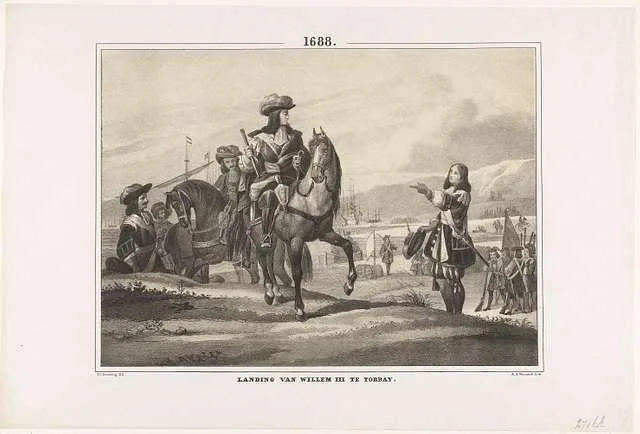
Eighty-three years later, November 5 acquired another political resonance. William of Orange landed at Torbay with a Dutch-led expeditionary force, beginning the intervention that would lead to the fall of James II and what became known as the Glorious Revolution.
Landing on the anniversary of the Gunpowder Plot was symbolically useful to a Protestant challenger confronting a Catholic monarch. The earlier November 5 had commemorated a king's survival; the later one helped begin another king's removal.
This was not simply a question of which army was larger. James's position eroded as political allies and military officers defected. Soldiers may have weapons, supplies and orders, but an army remains an army only while its chain of command retains sufficient confidence and obedience. The political settlement that emerged from 1688 is often discussed through constitutional principles. The military collapse that helped produce it is worth remembering too.
A frigate captured in the darkness: Callao, 1820
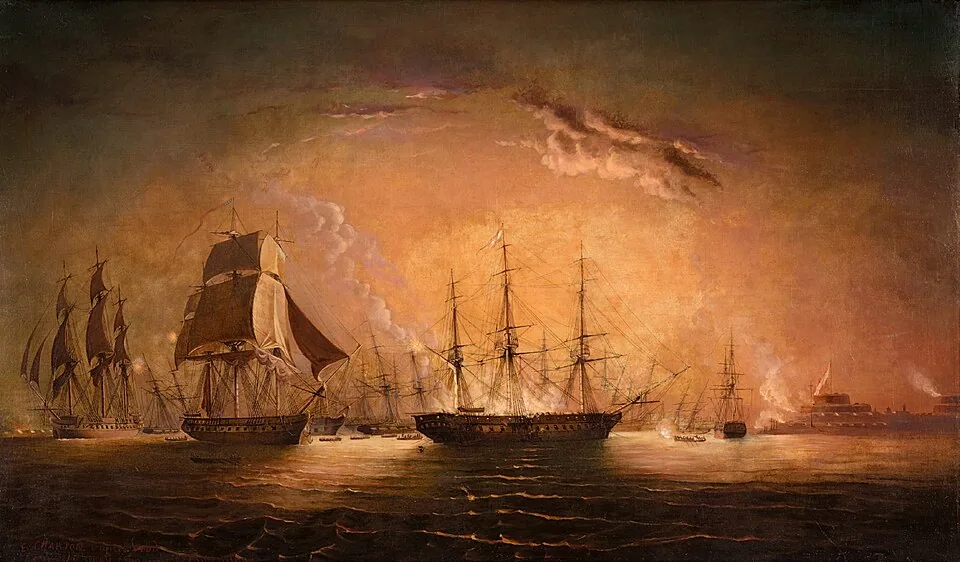
During the South American wars of independence, the Spanish frigate Esmeralda lay in the defended harbour of Callao, Peru. Shore batteries, other warships and harbour protections made an ordinary naval attack extremely difficult. Thomas Cochrane, a British-born commander serving Chile, chose to approach in boats at night.
His volunteers entered the harbour, boarded the frigate and captured it in an operation begun on November 5 and completed in the early hours of November 6, 1820. The episode became one of the celebrated actions of the emerging Chilean navy.
The tactical interest is straightforward. Callao's defensive system made sense against ships approaching openly. Smaller boats moving in darkness presented a different problem. Cochrane did not need to overpower the entire harbour to seize the vessel; he needed to reach a particular target before the defences could respond effectively.
The operation also resists overly simple narratives of European power against American liberation. Cochrane came from the British naval world and served a South American independence movement against Spain. Imperial histories are often made by people whose allegiances crossed the geographical divisions we subsequently use to describe them.
Parihaka: New Zealand, 1881
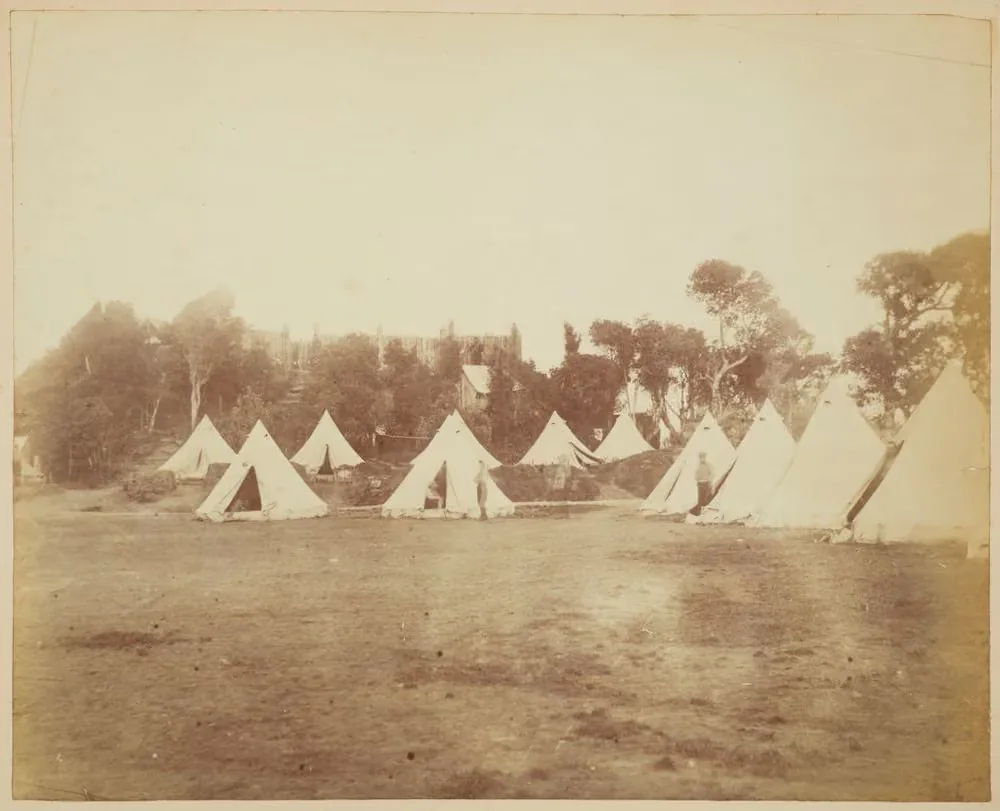
New Zealand inherited the British tradition of Guy Fawkes Night. Yet November 5 also marks an event that challenges the commemorative meaning brought by colonial settlers.
On November 5, 1881, roughly 1,600 colonial troops and armed constabulary entered Parihaka, a Māori settlement in Taranaki. The community, under Te Whiti-o-Rongomai and Tohu Kākahi, had become a centre of nonviolent resistance to land confiscation.
Their resistance was practical. People ploughed confiscated land and rebuilt fences removed by the authorities. Those acts were peaceful, but not passive: each asserted a continuing relationship to the land and refused to concede that dispossession had settled the question. Arrests, imprisonment and ultimately the invasion followed. The leaders were arrested, many residents dispersed, and property and buildings destroyed. The occupation brought further serious abuses.
In the British tradition, November 5 celebrated the protection of the state from conspiracy. In Parihaka, the same date records the overwhelming force of a colonial state against people who did not meet it with arms.
The contrast is not merely rhetorical. It demonstrates that resistance can describe profoundly different acts: an attempt to murder political leaders, an armed military raid, or the repeated planting and working of land despite threats and arrests. To group them all under one attractive word would obscure what actually happened.
When an empire faced imitation weapons: Negros, 1898
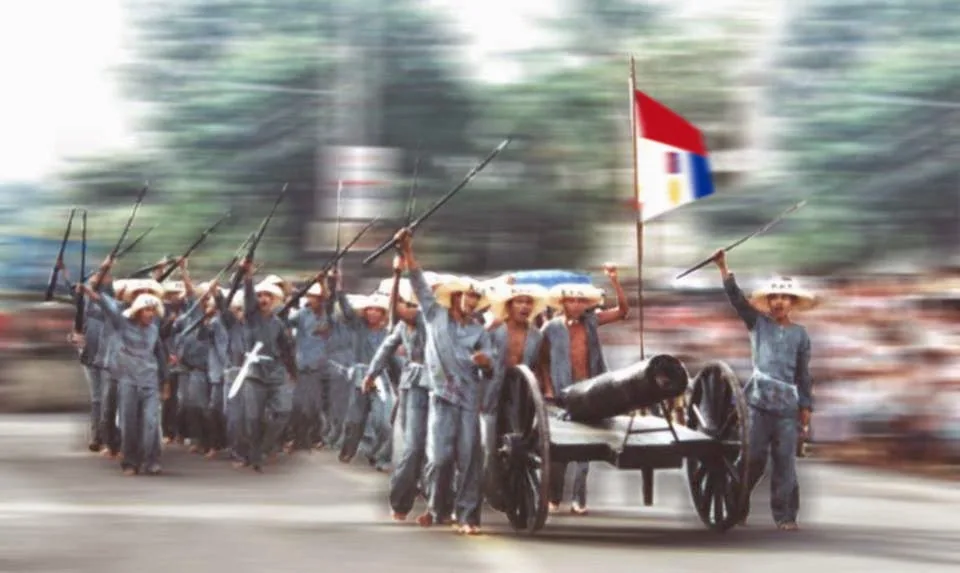
In the central Philippines, the fifth of November commemorates a very different confrontation with colonial authority.
By late 1898, the Philippine Revolution had badly shaken Spain's control of the archipelago. In Negros Occidental, forces associated with Aniceto Lacson and Juan Araneta moved against the Spanish administration. The uprising is especially remembered for its improvised military deception.
In the familiar local account, the revolutionaries did not possess enough genuine firearms or artillery to equip the force they wished to display. They used imitation rifles and mock cannons made from locally available materials to give the impression of far greater strength. The story is memorable, sometimes almost comic in its ingenuity. But its secondary implication is serious.
A fake cannon can intimidate only when the observer believes that a real cannon might reasonably be present. An apparently armed force creates pressure because a defending commander thinks resistance may be costly. Spanish authority was already under strain. The deception operated within that wider military and political uncertainty.
The revolutionary movement declared a new political order on November 5, while the formal capitulation in Bacolod followed on November 6. The distinction matters: November 5 is the commemorative date, but the documentary sequence crossed into the following day.
The victory is often remembered as bloodless. That language should be examined against historical evidence rather than treated as a complete explanation. The roles of provincial landholding elites, the relationship to the wider Philippine Revolution, and subsequent American control complicate a purely triumphant story.
Still, the contrast with England's November 5 is striking. In 1605, genuine explosives prepared beneath Parliament failed to achieve the political change intended. In Negros, the appearance of powerful weapons helped bring an existing colonial administration to surrender. Military force matters, but so does the defender's judgment about the force that may be used.
The fifth that secured separation: Panama, 1903
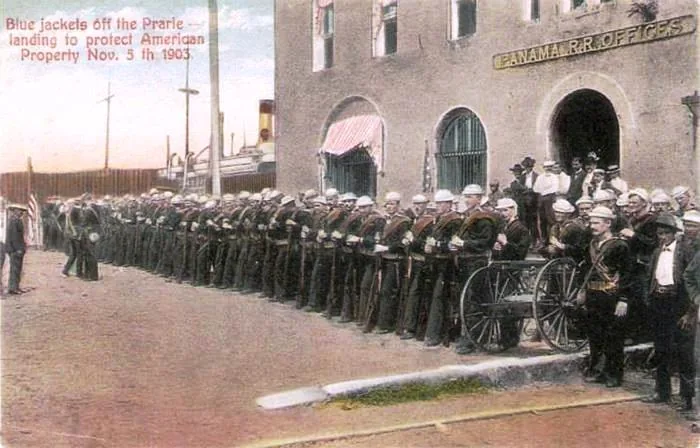
Panama declared its separation from Colombia on November 3, 1903. November 5 is especially associated with events at Colón, where the withdrawal of Colombian troops helped secure what had been declared two days earlier.
The separation was not simply the outcome of a proclamation. Troops, railway access, port facilities and the stance of the United States all mattered. The railway across the isthmus was vital because it could carry military forces between its Atlantic and Pacific sides. American naval involvement and the country's plans for a canal were inseparable from the political setting.
An independence declaration establishes a claim. Whether the claim survives depends on practical control, political agreement and the willingness or ability of armed forces to contest it. In Colón, the departure of troops changed the immediate facts on the ground.
The period photograph selected for this section shows American sailors outside the Panama Railroad offices on November 5. Its caption explicitly identifies protection of American property as their purpose. It is a useful reminder that American participation was not merely a distant diplomatic matter.
Panama's November commemorations do not erase the complications of its subsequent relationship with the United States. Independence can be a genuine political achievement while leaving consequential questions of external influence unresolved.
November 5 in Ormoc: a day of mourning
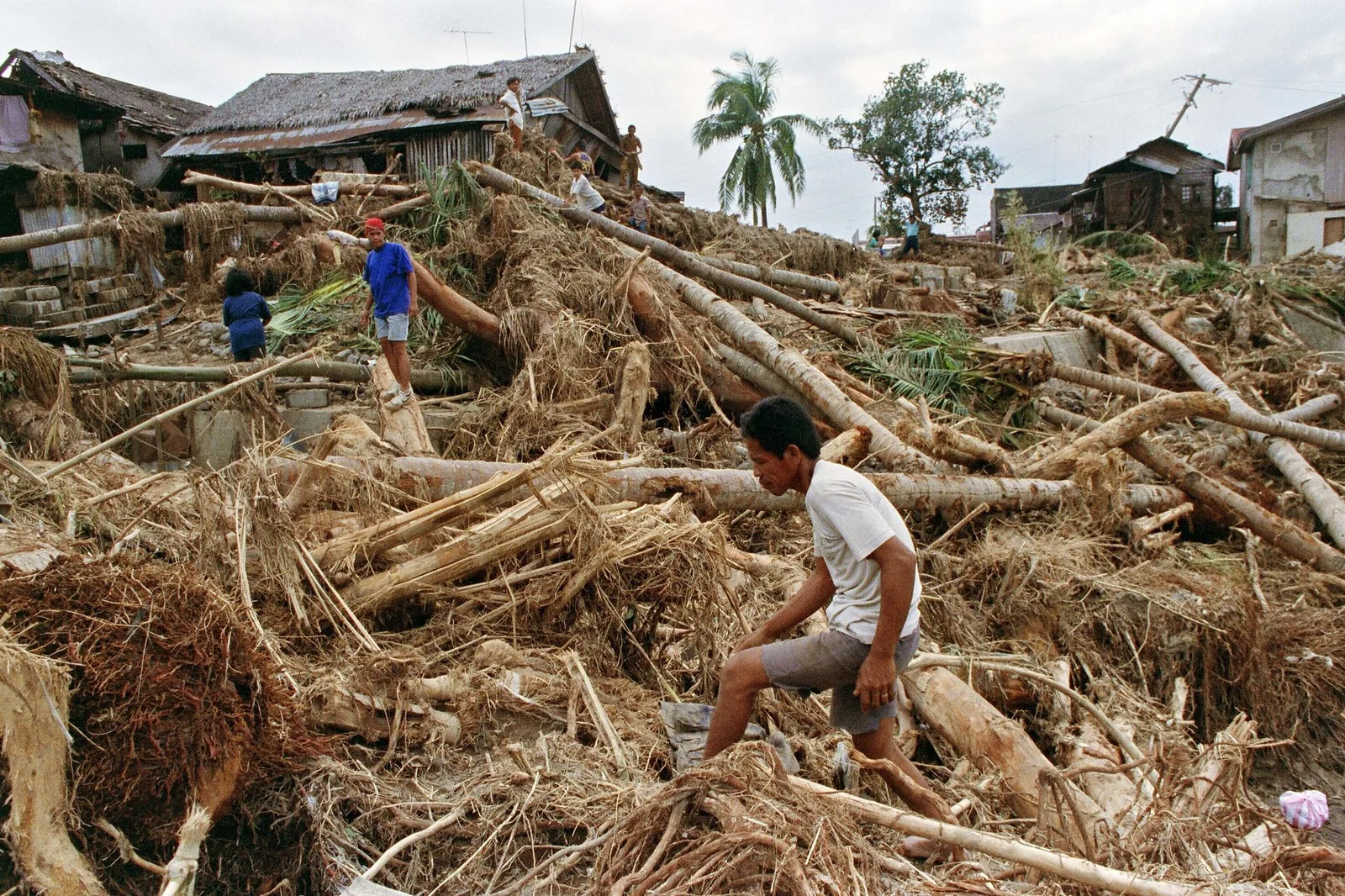
On November 5, 1991, Tropical Storm Uring, internationally known as Thelma, brought catastrophic flooding to Ormoc City in Leyte. Extreme rainfall over the surrounding watershed sent floodwater through the river systems and into populated areas. Thousands died, and communities were left devastated.
The disaster is often discussed through rainfall totals, fatalities and the violence of the flood. But the physical landscape deserves attention. Fast-moving water carries trees, soil, building materials and everything else it tears loose. These materials can obstruct channels, batter structures and compound the destructive force. The damage depends not only on a storm, but on watershed conditions, land use, the built environment, settlement patterns and warning systems.
It is important not to treat every proposed cause as equally established. Deforestation and environmental damage have featured prominently in accounts of the tragedy; determining the contribution of particular factors requires hydrological and land-use evidence. The storm was the trigger, but a disaster is also shaped by what people had built and altered before the rain arrived.
Republic Act No. 9068 established November 5 as Remembrance Day in Ormoc City. Here the date commemorates grief and loss rather than political victory. Its purpose is to honour the dead and keep the catastrophe's lessons alive.
The contrast within the Philippines is especially sharp. In Negros, Cinco de Noviembre commemorates a successful uprising against Spanish rule. In Ormoc, it marks thousands of lives lost in floodwaters. Both anniversaries endure because they have become part of how communities understand their past.
Fire on the hillside: Japan and tsunami awareness
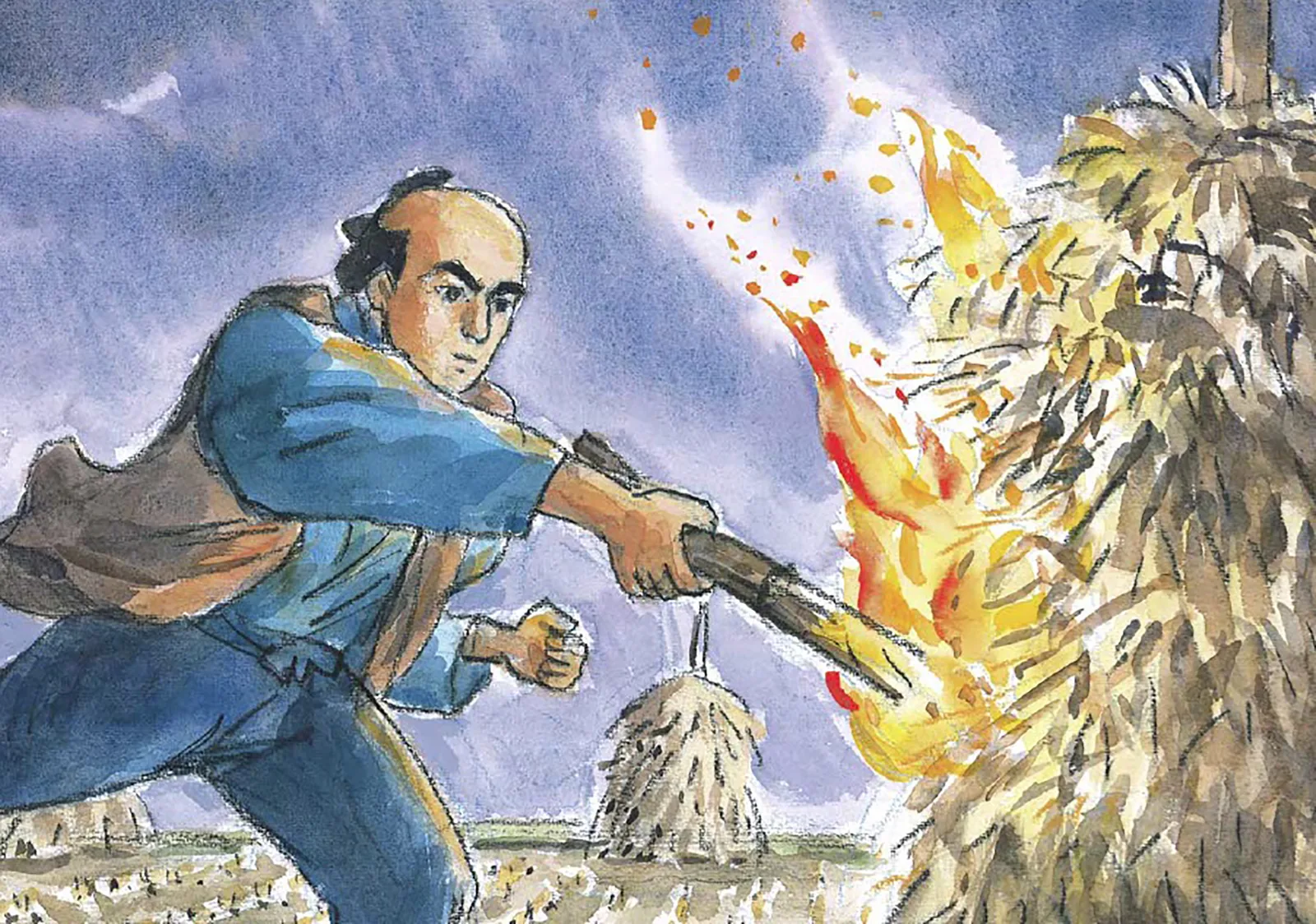
November 5 is also World Tsunami Awareness Day. The United Nations established the observance in 2015, following a proposal from Japan and drawing inspiration from the story known as Inamura no Hi, or the fire of the rice sheaves.
In the account, Hamaguchi Goryō recognized the danger following an earthquake in 1854 and set fire to harvested rice to draw villagers to higher ground before a tsunami arrived. It is remembered as a case in which a valuable possession was sacrificed to save lives. Later retellings elaborated the story, and historical details should be distinguished from the literary version. Its central lesson remains a practical one: a warning matters only if people recognize and act upon it.
The calendar requires a qualification. The historical event occurred on the fifth day of the eleventh month of the Japanese calendar then in use, corresponding to December 24, 1854, in the Gregorian calendar. Modern November 5 is a deliberately chosen commemorative date, rather than the literal Gregorian anniversary.
That does not make the observance a random coincidence. Its purpose is explicit and sustained: international education, preparedness, early warning and evacuation. The memory of one nineteenth-century event is used to improve the chances of surviving future disasters.
Here there is a meaningful comparison with Ormoc. The Philippine commemoration looks back on a devastating loss. The international observance draws upon a story of recognizing imminent danger and responding. Both ask how communities prepare for hazards whose physical causes cannot be negotiated away.
Who owns a date?
The Gunpowder Plot, William's landing, the capture of the Esmeralda, Parihaka, the Negros Revolution and Panama's separation all concern power and its exercise. Yet their methods and purposes were very different. Ormoc and the Japanese tsunami tradition involve another form of danger altogether.
Nothing about November 5 caused these events to happen. Apart from consciously chosen commemorations and some deliberately invoked historical symbolism, their shared date is coincidence. Trying to uncover a universal November 5 pattern would reduce history to numerology.
What unites these stories now is the work of remembering.
States establish holidays. Communities preserve anniversaries that official accounts once neglected. Literature and popular culture transform the faces and symbols through which the past is encountered. Disaster remembrance may become education and warning. The same date can therefore honour a state that survived, a government that fell, people who resisted colonial power, and people who died when floodwater overcame a city.
Those meanings are not interchangeable. Understanding the grievances that helped produce the Gunpowder Plot does not require endorsing a plan to kill an assembled Parliament. Admiring the ingenuity associated with Negros's revolution does not make its later political history simple. Recognizing the disciplined nonviolence of Parihaka requires attending to the coercion it faced. The commemorations deserve the complications as well as the memorable stories.
Dates are useful vessels, but they cannot preserve history by themselves. Evidence must still be examined. What witnesses saw, what later generations said happened, and what public memory finally made of an event may differ.
The familiar rhyme tells us to remember the fifth of November. It does not tell us that other people have entirely different reasons to remember it.
And perhaps that is the point worth keeping. The date is fixed. What we understand about it need not be.